Sambhal is a historic district situated in the Moradabad Division of Uttar Pradesh, with its district headquarters at Bhim Nagar. It was officially declared a separate district on 28 September 2011. According to mythology, Sambhal is believed to be the place where Kalki, the tenth incarnation of Lord Vishnu, will be born during Kaliyuga. Sambhal is internationally renowned for its horn-bone handicraft products, which are manufactured using the horns of deceased animals and exported to international markets. The district also has the Babri Mosque constructed by Mughal Emperor Babur, along with 68 ancient pilgrimage sites and 19 wells. Sambhal is a commercial centre for agricultural products and held strategic importance during the medieval period because of its proximity to Agra and Delhi. Under the One District One Cuisine Programme, Gajak, Son Papdi, and Sewai have been selected for Sambhal district.
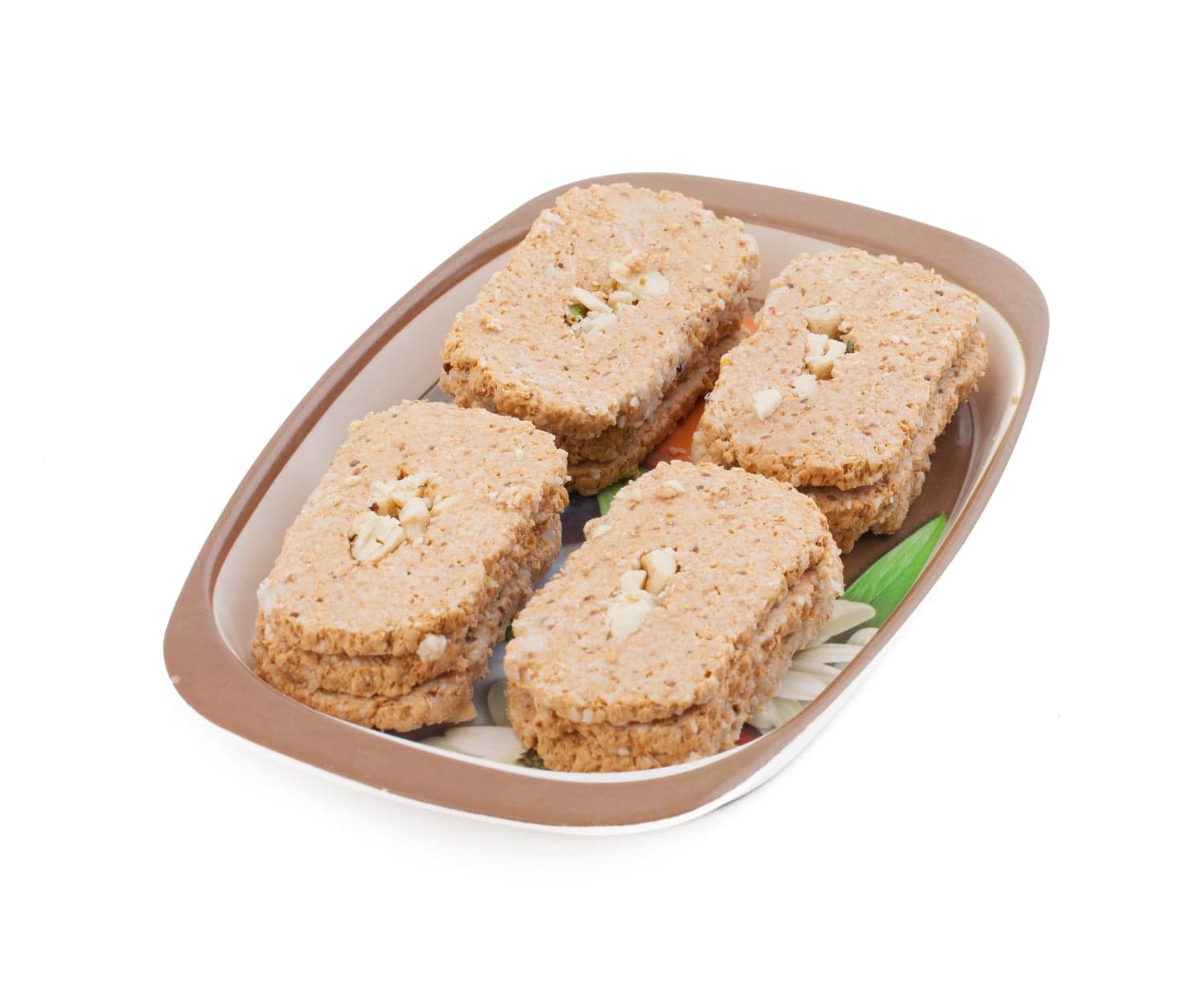
Sambhal’s Gajak emerged from the region’s age-old winter tradition of combining warming sesame seeds with jaggery. Roasted sesame is patiently pounded, folded with molten jaggery, and hand-rolled to create delicate, crisp layers. Its earthy aroma, brittle texture, and balanced sweetness have made Gajak a treasured seasonal speciality of Sambhal.
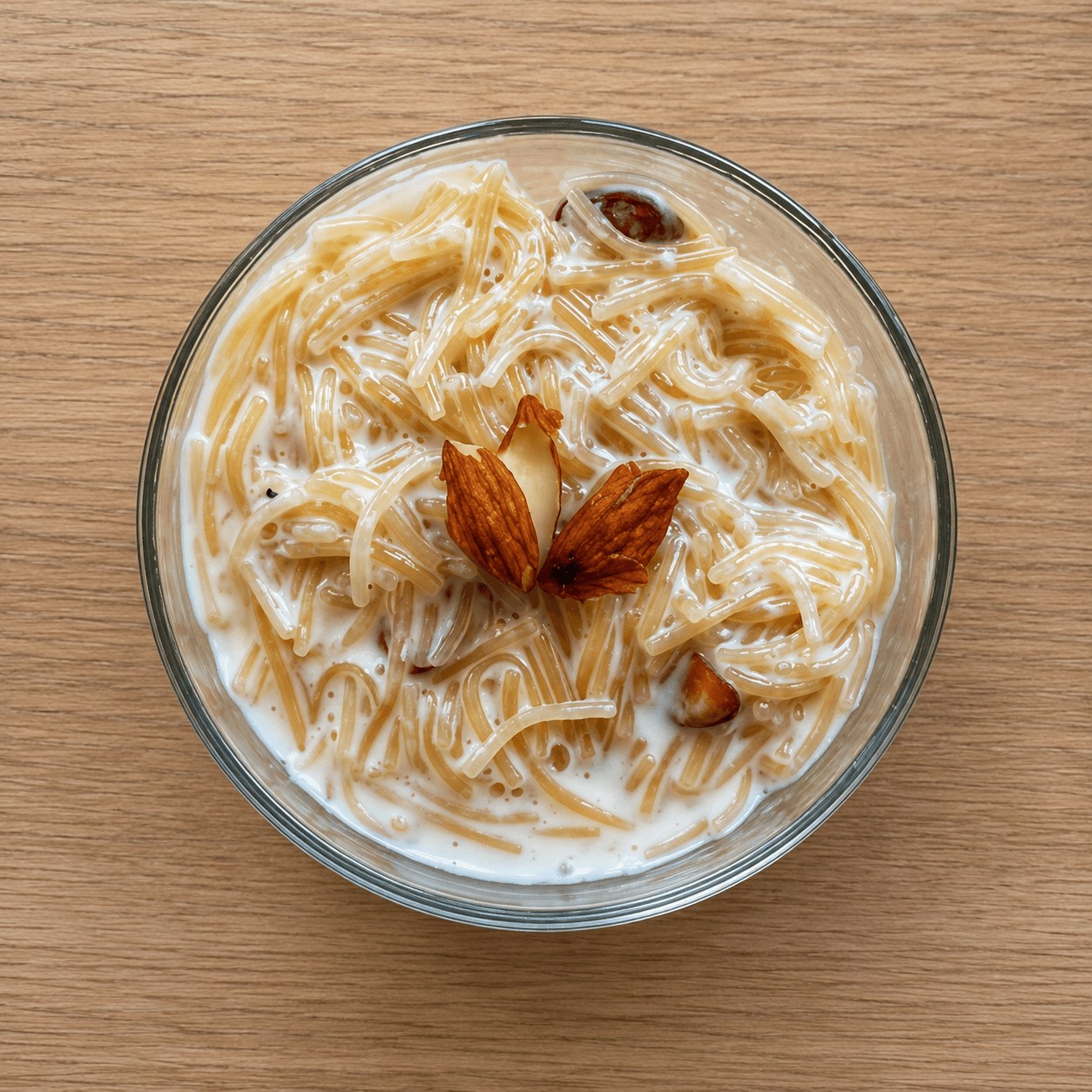
Sambhal’s Sevaiyan is a traditional sweet delicacy prepared and enjoyed in Sambhal and the surrounding areas of Moradabad, particularly during Eid and other festive occasions. Made from fine vermicelli, it is often cooked with milk, sugar, and aromatic ingredients to create a rich flavour and delicate texture. Its festive significance and traditional preparation make Sevaiyan an integral part of the district’s culinary traditions.
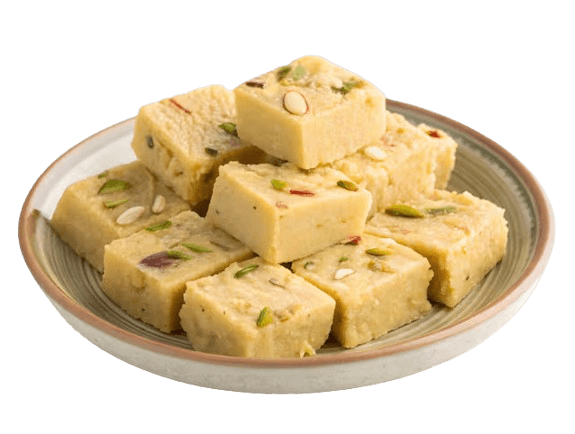
Sambhal’s Soan Papdi is distinguished by its delicate, thread-like layers and melt-in-the-mouth texture. Its signature flakes are created by repeatedly stretching a cooked sugar mixture with roasted gram flour, refined flour, and ghee—a technique requiring precision and skill. This traditional craftsmanship has made Sohan Papdi a cherished festive speciality of Sambhal.